
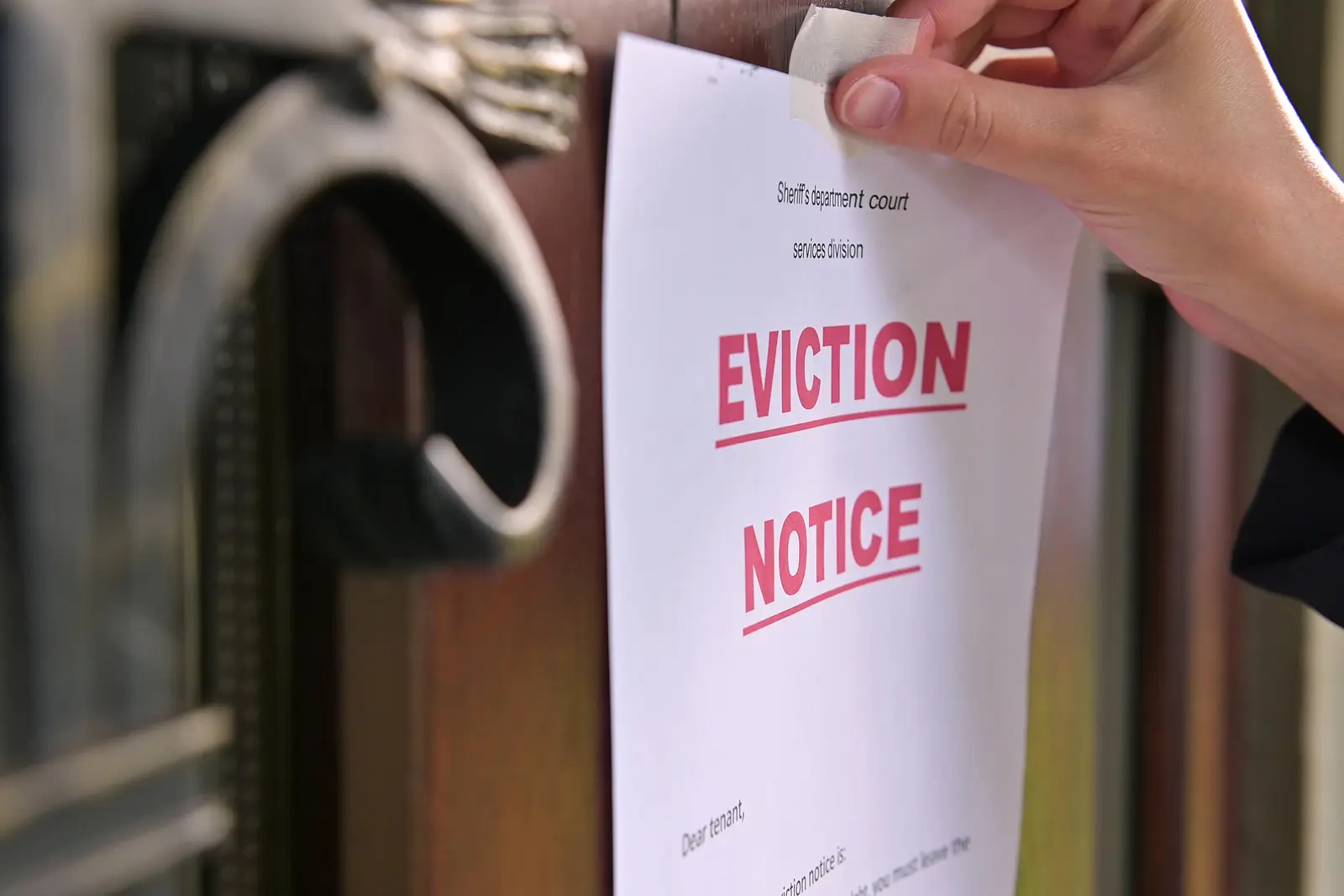
Wait, Did the Eviction Notice Law Actually Change?
Scroll through enough landlord groups on social media, and you will find someone insisting that Florida just swapped its 3-Day Notice for a 5-Day Notice. It sounds official. It is also not true, and acting on it could cost you your entire eviction case. Senate Bill 716, which proposed extending the non-payment notice period from three to five days, died in committee, so the 3-Day Notice remains the law.
RentPro Management works with property owners across Sarasota, FL every day, and we have watched this rumor spread faster than any actual legislation. This article breaks down what changed, what did not, and where the number five genuinely matters in your eviction process so you can protect your rental income without a costly procedural mistake.
Key Takeaways
The 3-Day Notice is still the law. Senate Bill 716 died in committee, so Florida landlords must still serve a 3-Day Notice to Pay or Vacate for unpaid rent under Florida Statute § 83.56(3).
The "5-day" rule is real, but it applies later. Once a lawsuit is filed and the tenant is served, the tenant gets 5 business days to respond in court, not 5 days for the initial notice.
Notices must demand base rent only. Adding late fees, utilities, or interest to a 3-Day Notice can get your case thrown out of court.
The court registry requirement can make or break your case. Tenants disputing anything beyond "I already paid" must deposit the rent owed with the court within 5 business days or risk default judgment in your favor.
Non-rent violations use different notices entirely. Lease breaches like unauthorized pets require a 7-Day Notice to Cure, while unfixable violations require a 7-Day Unconditional Notice to Quit.
Correcting the Misconception: Pre-Suit Notice Rules
Before a Sarasota landlord can even file an eviction lawsuit, the correct pre-suit notice has to be served and expire. Skip this step, get it wrong, and a judge will dismiss your case before it starts.
The 3-Day Notice to Pay or Vacate
For non-payment of rent, the requirement has not moved. Landlords must still deliver a 3-Day Notice to Pay or Vacate, giving the tenant three days to either pay the full amount owed or vacate the unit.
What it means: If you have already updated your templates or internal procedures to reflect a 5-day timeline for unpaid rent, you need to reverse that change now. Filing your court complaint too early or too late based on the wrong count can void your notice entirely.
How the Calculation Actually Works
The 3-day count excludes the day the notice is delivered, along with weekends and legal holidays observed by the court. That means a notice served on a Thursday does not expire until the following Monday at the earliest.
Real-world example: A Sarasota landlord serves a 3-Day Notice on a Friday afternoon. Because weekends do not count, the tenant's three business days do not actually begin until Monday, pushing the true deadline to Wednesday. Landlords who count calendar days instead of business days routinely file too soon, which can get the case dismissed.
Only Base Rent Belongs on the Notice
The 3-Day Notice must demand the base rent due and nothing else. Late fees, utility charges, and interest cannot be included on this specific notice, even if your lease allows you to charge them separately.
What it means: A notice that overstates what is owed is considered legally defective in Florida courts. This is one of the most common reasons Sarasota landlords lose eviction cases before they ever reach a hearing, and it is entirely avoidable with a properly worded notice. Our rent collection team builds every notice around this requirement.
Where the "5-Day" Rule Actually Applies
The number five is not a myth invented from nowhere. It shows up twice in Florida's eviction process, just not where the internet claims it does.
The Court Response Window
Once a landlord files the eviction complaint and the tenant is formally served with a summons, the tenant has exactly 5 business days to file a written response with the court. This is a distinct stage from the pre-suit notice and only kicks in after the lawsuit has already been filed.
What it means: This is almost certainly the rule that got twisted into the "new 5-Day Notice" rumor. It applies to the tenant's court response, not to your original notice demanding rent.
The Court Registry Rule
If a tenant wants to raise any defense other than claiming they already paid, they must deposit the disputed rent into the Sarasota County Court Registry within those same 5 business days. Failing to make that deposit generally results in an immediate default judgment for the landlord.
Real-world example: A tenant responds to a Sarasota eviction summons claiming the unit had maintenance issues that justified withholding rent. If that tenant does not deposit the disputed amount into the court registry within five business days, the judge can enter a default judgment for the landlord regardless of the claim. This registry rule is one of the strongest procedural protections Sarasota landlords have.
Critical Process Checklist for Sarasota Owners
Keeping an eviction legally sound comes down to following the sequence in the correct order:
Serve 3-Day Notice ➔ Wait 3 Business Days ➔ File Complaint at Sarasota Clerk ➔ Tenant Gets 5 Days to Answer
Use Current Clerk Forms
Always pull notice and complaint templates directly from the Sarasota County Clerk of the Circuit Court rather than recycling generic templates found online. Statutory language and local county guidelines can differ from what worked in another jurisdiction.
Match the Notice to the Violation
Non-payment of rent is not the only reason landlords end up in eviction court, and using the wrong notice type is just as damaging as using the wrong timeline.
7-Day Notice to Cure: Use this for correctable lease violations, such as an unauthorized pet or an extra unregistered occupant.
7-Day Unconditional Notice to Quit: Use this for violations that cannot be fixed, such as intentional property damage.
What it means: Sending a 3-Day Notice for a lease violation unrelated to rent is a common, avoidable mistake. Our tenant screening process reduces how often owners face these situations, but when they arise, the correct notice type matters as much as the correct timeline.
Watch Month-to-Month Termination Deadlines
If you are ending a month-to-month tenancy without cause, Florida law requires at least 30 days' written notice before the end of the monthly rental period. This is a completely separate deadline from any eviction notice and applies even when the tenant has done nothing wrong.
Frequently Asked Questions
Is the 5-Day Notice rule actually in effect in Florida?
No. Senate Bill 716 proposed extending the non-payment notice from three days to five, but it died in committee. The 3-Day Notice to Pay or Vacate remains the active requirement under Florida Statute § 83.56(3).
Where does the number five actually apply in an eviction?
It applies after a lawsuit is filed. Once a tenant is served with a summons, they have 5 business days to respond in court and, in most cases, to deposit any disputed rent into the court registry.
What happens if my 3-Day Notice includes late fees or utilities?
Including anything beyond base rent can render the notice legally defective. A judge may dismiss the case, forcing you to start the entire process over and lose valuable time.
Protect Your Investment With a Process That Holds Up in Court
Florida's eviction rules have not changed, but the confusion surrounding them is costing landlords valuable time and money due to incorrect notices and mistimed filings. The 3-Day Notice still applies to unpaid rent, the 5-day window belongs to the court response stage, and every step in between must follow the correct sequence to hold up in front of a judge.
RentPro Management handles this process for owners throughout Sarasota every day, from serving a compliant notice to coordinating with the court registry when a tenant contests a case. If you want an eviction process that protects your property rather than risking dismissal, contact us or call 941.361.9028 to schedule a consultation.